
By Paulette Carpenter, Animal Clinical Nutritionist, Homeopath and Herbalist · 26 November 2026
If your cat is drinking more, losing weight, going off their food or seems flat and tired, their kidneys may need some attention.
Kidney disease is one of the most common health problems in older cats. It often develops slowly and quietly, and many cats show few signs until a large part of their kidney function has already been lost. The good news is that with early detection, good hydration, the right diet and ongoing support, many cats live comfortably for years after diagnosis.
What is kidney disease?
Kidney disease means the kidneys are no longer working as well as they should. The kidneys have several important jobs:
- Filtering waste products from the blood
- Balancing fluids and preventing dehydration
- Keeping minerals and electrolytes such as phosphorus, potassium and calcium in balance
- Helping to control blood pressure
- Producing a hormone that tells the body to make red blood cells
When the kidneys struggle, waste builds up in the blood, the body loses too much water, and minerals start to fall out of balance. This is what causes many of the signs owners notice.

Signs your cat may have kidney problems
Your cat may display one or more of the following signs:
- Drinking more water than usual
- Urinating more, or larger clumps in the litter tray
- Weight loss and muscle loss, especially along the spine
- Reduced or fussy appetite
- Vomiting, sometimes clear fluid or froth
- Bad breath with an ammonia smell, or mouth ulcers
- Dull, scruffy or unkempt coat
- Constipation
- Tiredness, weakness or hiding more
- Pale gums
Early signs are easy to miss, or to put down to "just getting older". If your cat is over seven, it's worth watching their water intake and weight closely.
Get your cat to a vet urgently if they are straining in the litter tray and passing little or no urine, especially if your cat is male. This can be a blockage, which is an emergency.
Chronic and acute kidney disease
There are two main types.
Chronic kidney disease (CKD) develops slowly over months or years. It is most common in middle-aged and older cats and is the type most owners deal with. It can't be reversed, but it can often be managed well for a long time.
Acute kidney injury (AKI) comes on suddenly, often within hours or days. It can be caused by toxins, infections, a urinary blockage or severe dehydration. Acute kidney injury needs urgent veterinary treatment, and some cats recover well if it's caught quickly.
Some breeds, including Persians and related breeds, can also inherit kidney problems such as polycystic kidney disease.
Why is kidney disease often found late?
Cats are very good at hiding illness, and their kidneys have a lot of reserve capacity. Routine blood tests may not show a problem until a large share of kidney function has already been lost.
This is why regular check-ups matter, especially for older cats. Your vet can test blood (including creatinine, urea and SDMA, which can pick up changes earlier), check a urine sample and measure blood pressure. Kidney disease is usually graded in stages, which helps guide treatment and diet.
The home environment connection
Some everyday items are very harmful to cat kidneys:
- Lilies: All parts of true lilies, including the pollen and the water in the vase, can cause sudden kidney failure in cats. Even a small amount brushed onto the fur and licked off can be enough. It's safest not to have lilies in a home with cats.
- Antifreeze: Even small spills are toxic, and the sweet taste attracts animals.
- Human medicines: Never give your cat human painkillers or anti-inflammatories.
- Household chemicals: Keep cleaners, garden sprays and rat bait well out of reach.
The diet and hydration connection
Cats come from desert ancestors and naturally have a low thirst drive. Many get most of their water from food. Cats on mostly dry food often drink less than they need, which can put extra strain on the kidneys over time.
Diet plays a big part in kidney health. For cats with kidney disease, phosphorus is one of the most important nutrients to manage, as high levels can speed up kidney damage. Good-quality protein is still important for keeping muscle, but the amount and type may need adjusting depending on the stage of disease.
If you feed raw, be aware that diets with a lot of bone can be high in phosphorus. A cat with kidney disease may need their raw diet adjusted rather than stopped. It's best to work this out with your vet or a qualified practitioner.
The overall health connection
Kidney disease often goes hand in hand with other conditions, so it's worth looking at the whole cat. These include:
- Dental disease: Ongoing infection and inflammation in the mouth may affect the kidneys.
- Hyperthyroidism: It's common in older cats and can hide kidney problems, so kidney values are often checked again once the thyroid is treated.
- High blood pressure: It can be both a cause and a result of kidney disease.
- Urinary tract infections and kidney stones
- Excess weight or muscle loss
Looking deeper with Fur Tissue Mineral Analysis (FTMA)
As a clinical nutritionist, I often see cats whose kidney health is only one part of a bigger picture, including stress, digestive issues, thyroid changes and long-term nutritional gaps.
Fur Tissue Mineral Analysis (FTMA) may give extra insight into your cat's mineral balance, nutritional needs and stress patterns over time. It isn't a diagnostic test for kidney disease, which needs blood and urine testing through your vet. However, it can help us build a personalised plan to support your cat alongside veterinary care.
A plan may include diet changes, homeopathy and practitioner-only nutritional support such as RenalCare Feline.
Natural ways to support your cat's kidneys
Encourage drinking
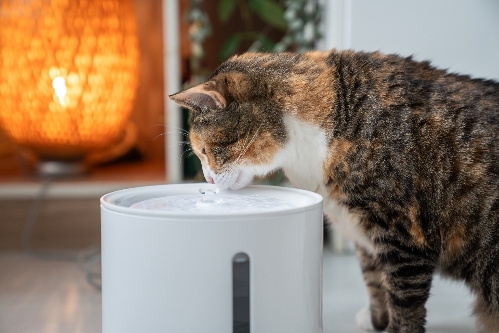
Place several water bowls around the house, away from food and the litter tray. Many cats prefer wide, shallow bowls or a water fountain, as moving water often tempts them to drink more.
Feed more moisture
Wet food, raw food or adding water to meals all help increase your cat's daily fluid intake. A little homemade bone broth (with no onion, garlic or added salt) poured over food can also help.
Manage phosphorus
Talk with your vet or practitioner about the right diet for your cat's stage of kidney disease. For many cats, keeping phosphorus down is one of the most helpful things you can do.
Omega-3 fatty acids
Fish oil is commonly used to support kidney health, as it may help reduce inflammation. Check the dose with your vet or practitioner, especially if your cat is on other medications.
Keep their teeth healthy
Regular dental checks and good dental care reduce the ongoing load of infection and inflammation.
Keep stress low
A calm routine, quiet resting spots and easy access to food, water and litter trays help, especially for older cats.
Regular check-ups
For cats over seven, a yearly blood and urine test can pick up kidney changes early. Cats already diagnosed usually need more regular monitoring.
Frequently asked questions
What are the first signs of kidney disease in cats?
Drinking and urinating more are often the earliest signs, along with gradual weight loss and a fussier appetite.
Can kidney disease in cats be cured?
Chronic kidney disease can't be reversed, but many cats live comfortably for years with good management. Acute kidney injury can sometimes be reversed if treated quickly.
How long can a cat live with kidney disease?
It varies a lot depending on the stage at diagnosis, other health conditions and how well it's managed. Cats diagnosed early often do well for a long time.
Should a cat with kidney disease eat a low-protein diet?
Cats still need good-quality protein to keep their muscle. The bigger focus is usually on reducing phosphorus. The right amount of protein depends on your cat's stage of disease, so check with your vet or practitioner.
Are lilies really that dangerous for cats?
Yes. All parts of true lilies, including the pollen and vase water, can cause sudden kidney failure. If you think your cat has touched or eaten any part of a lily, contact your vet straight away.
Can I feed raw food to a cat with kidney disease?
Often, yes, but it may need adjusting. Raw diets with a lot of bone can be high in phosphorus. Get advice to make sure the diet suits your cat's kidneys.
Our recommended natural support for kidney health
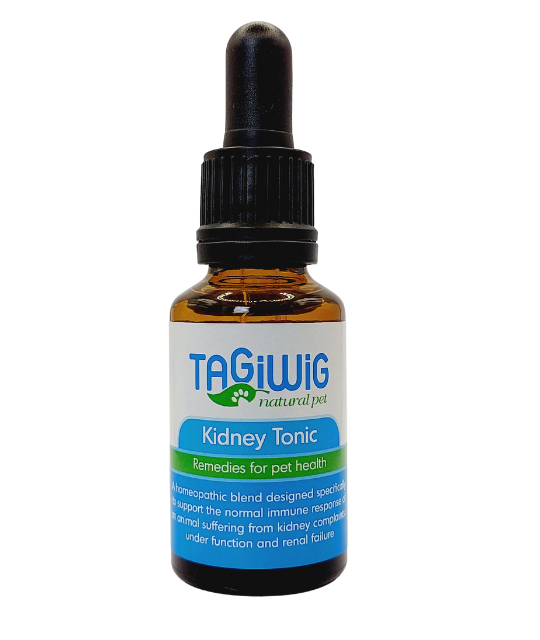
Kidney Tonic
Homeopathic support for cats and dogs with kidney concerns, to be used alongside diet, hydration and your vet's care.
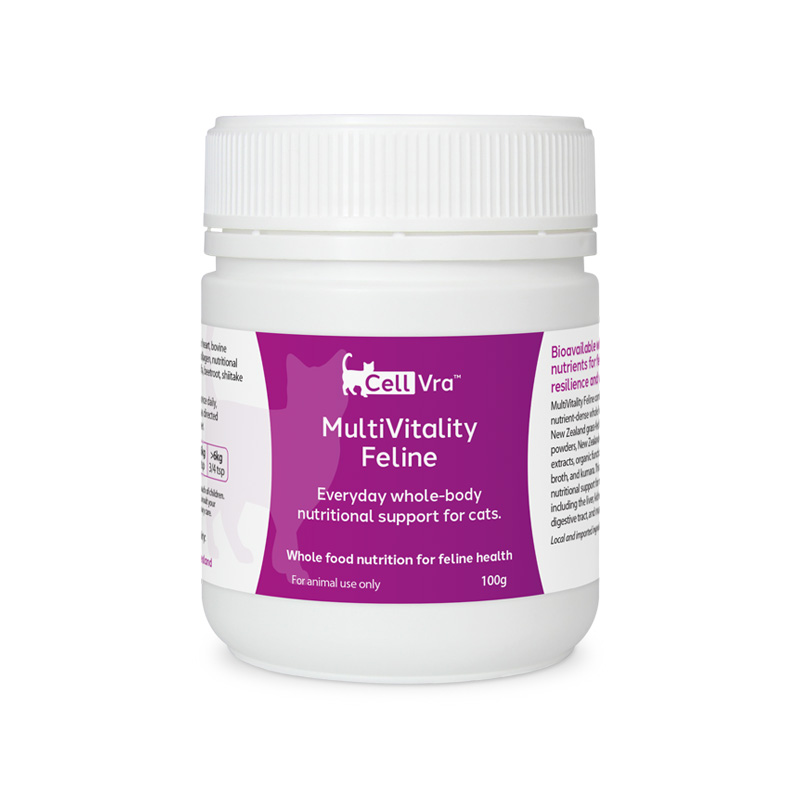
MultiVitality Feline
Whole-body nutritional support for health and vitality in cats.
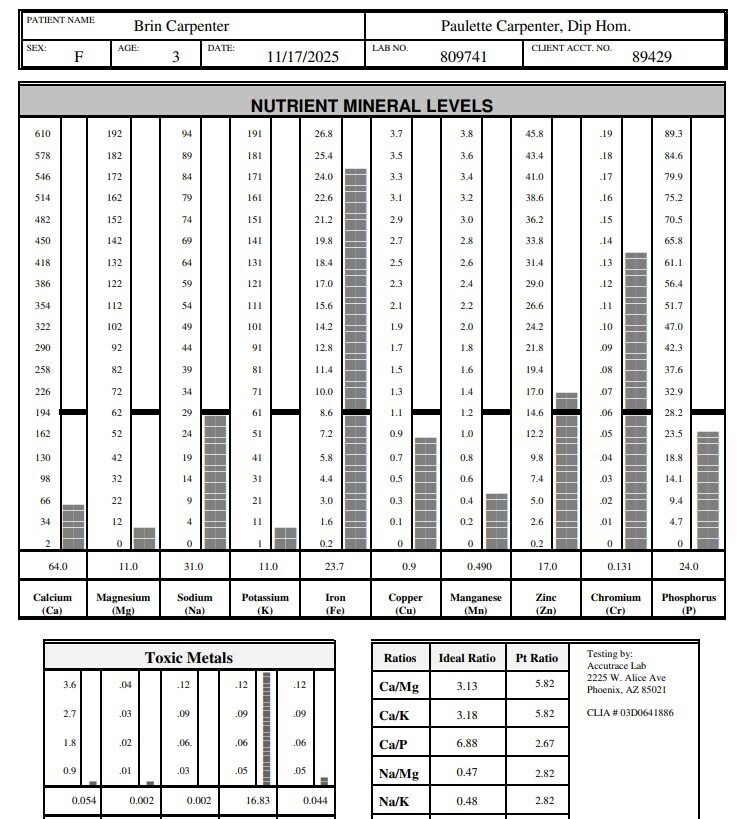
Fur Tissue Mineral Analysis (FTMA)
Gain deeper insight into your cat's mineral balance, nutritional status and health challenges.
About the author
Paulette Carpenter
Certified Clinical Animal Nutritionist – CCAN, F-TMAP
Dip Hom (Animal Health), RCHom, CertHMCP
Paulette has been helping animals with natural health for around 25 years. With a background in dairy farming in Northland, she works with everyone from cats and dogs to horses, dairy herds and farm animals, combining homeopathy, herbal medicine and clinical nutrition.
Have questions?
If you have any other questions about your cats kidney health, don't hesitate to contact us for a free chat.
Need more personalised guidance on your animal's health and nutrition?
If your pet has ongoing health challenges or specific support needs, get personalised guidance on your animal's health and nutrition by booking a consultation.
Tags:
Cats





 Earn loyalty points everytime you shop
