
By Paulette Carpenter, Animal Clinical Nutritionist, Homeopath and Herbalist · 12 November 2026
If your hens have pale combs, are laying fewer eggs, losing feathers or refusing to go into the coop at night, mites or lice may be part of the problem.
Mites and lice are some of the most common parasites affecting backyard and free-range chickens in New Zealand. Numbers build quickly as the weather warms, so late spring and summer are when most flocks run into trouble.
The tricky part is that not all of these parasites live in the same place. Some live on the bird, some live in the legs, and some hide in the coop and only come out at night. Knowing which one you're dealing with makes it much easier to get on top of.
What are mites and lice?
Mites and lice are tiny parasites that feed on chickens.
Lice are small, flat insects that chew on skin and feather debris. Mites are even smaller and are related to spiders. Some mites feed on blood, while others burrow under the skin or scales.
Left unchecked, both can cause irritation, stress, poor feather condition and a drop in egg production. A heavy red mite infestation can even cause anaemia, which can be serious in young, old or weak birds.

The three main parasites to know
| Parasite | Where it lives | Main signs | ||
| Red mite | In the coop: cracks, perch ends, nest boxes. Feeds on birds at night | Pale comb and wattles, fewer eggs, restless at night, birds reluctant to go into the coop, tiny blood spots on eggs | ||
| Scaly leg mite | Burrows under the scales of the legs and feet | Raised, lifted or crusty leg scales, thickened legs, lameness in bad cases | ||
| Lice and feather mites | On the bird, among the feathers | Feather loss around the vent and under the wings, scabby skin, eggs clumped at the base of feathers, overpreening |

Signs your chickens may have mites or lice
Your flock may show one or more of the following:
- Pale comb and wattles
- Drop in egg production
- Feather loss, especially around the vent, under the wings and on the back
- Scabby or irritated skin
- Excessive preening or scratching
- Raised or crusty leg scales
- Birds reluctant to go into the coop or nest boxes
- Restlessness at night
- Tiny blood spots on eggs
- General dullness, weight loss or weakness
Some hens hide parasites well, so it's worth checking your birds regularly rather than waiting for obvious signs.
How to check your flock
Lice and feather mites: Pick up each bird and part the feathers around the vent, under the wings and along the back. Look for moving insects and small white egg clusters stuck to the base of the feathers.
Scaly leg mite: Look closely at the legs and feet. Healthy scales lie flat and smooth. Scales that are lifted, rough or crusty are a common sign of scaly leg mite.
Red mite: Because red mite hide during the day, the best time to check is at night. Take a torch out after dark and look along the perches and at your birds. You can also run a white tissue along the underside of perches and in cracks during the day. Red or grey smears, or a grey ash-like dust around perch ends, suggest red mite are present.
Why are red mite so hard to get rid of?
The biggest challenge with red mite is that most of them aren't on the bird at all.
They spend the day hidden in cracks and crevices in the coop, coming out at night to feed. They breed quickly in warm weather and can survive for months in an empty coop without feeding.
This is why treating only the birds often fails to solve the problem. The coop needs attention too.
The coop connection
A clean, well-designed coop is one of the most effective ways to keep mites and lice under control.
Areas requiring attention include:
- Perches, especially the ends where they rest on brackets
- Nest boxes and nesting material
- Cracks and joins in timber
- Under roofing and around fittings
- Bedding and floor litter
- Dust bathing areas
Smooth, easy-to-clean perches and fewer hiding places make a big difference over time.
The flock health connection
Healthy, well-nourished birds often cope better with parasites.
Mites and lice tend to be more of a problem in birds that are:
- Moulting
- Older or very young
- Recovering from illness
- Stressed by heat, overcrowding or flock changes
- Low in condition or on a poor diet
Supporting the overall health of your flock may help them cope better as part of a broader approach.
Natural ways to support mite and lice control
Clean the coop thoroughly
Remove all bedding and nesting material, then scrub perches, nest boxes and cracks. Repeat regularly through the warmer months, as new mites hatch from eggs left behind.
Remove hiding places
Fill or seal cracks where you can, and choose removable perches so the ends can be cleaned easily.
Provide a dust bath
Dust bathing is your hens' natural way of keeping parasites down. A dry, sheltered area of fine soil or sand gives them somewhere to do it.
Diatomaceous earth
Some owners use food-grade diatomaceous earth in nest boxes, dust baths and coop cracks. It may help dry out mites and lice. Apply lightly and avoid creating dust, as it can irritate the lungs of both you and your birds.
Care for scaly legs
Many keepers soak affected legs in warm soapy water, gently clean them, then coat them with petroleum jelly or vegetable oil. This may help smother the mites and soften the scales. Never pull off lifted scales, as this can cause bleeding.
Quarantine new birds
New birds are one of the most common ways parasites arrive. Keep new birds separate for a couple of weeks and check them carefully before adding them to your flock.
Check regularly
A quick weekly check of birds and perches means you can act before a small problem becomes a big one.
Frequently asked questions
How do I know if my chickens have mites?
Common signs include pale combs, fewer eggs, feather loss, restlessness at night and birds avoiding the coop. Checking perches with a torch after dark is the best way to spot red mite.
Can red mite live in the coop without chickens?
Yes. Red mite can survive for months in an empty coop, which is why cleaning the coop is as important as treating the birds.
What does scaly leg mite look like?
The scales on the legs and feet become raised, rough or crusty instead of lying flat and smooth.
Can chicken lice live on people?
No. Chicken lice are specific to birds and don't live on humans. Red mite may occasionally bite people while they're handling birds or cleaning the coop.
Why do mites keep coming back?
Mites breed quickly in warm weather, and eggs or adults left in coop cracks can restart the problem. Regular cleaning and checking are key.
When should I call the vet?
If a bird is very weak, pale, not eating, has stopped moving around, or has sores that aren't healing, have it checked by your vet. Heavy infestations can cause anaemia, which needs prompt attention.
Our recommended natural support for mites and lice
All Agripathics remedies are non-withholding, so there's no need to throw away eggs while you use them.
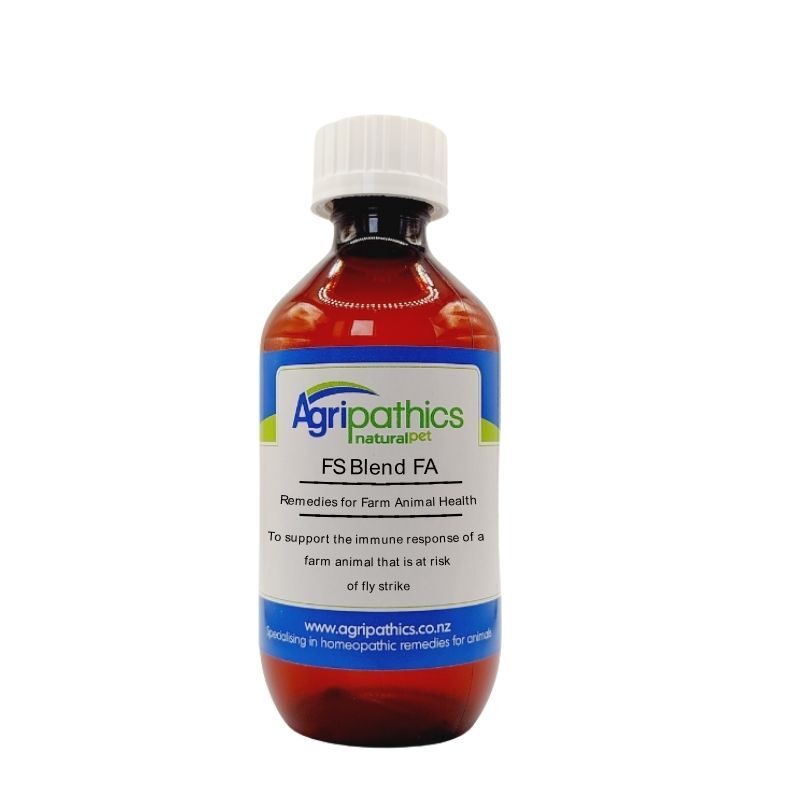
RM Blend for chickens
Homeopathic support for flocks affected by red mite, the night-feeding mite that lives in the coop. Best used alongside regular coop cleaning.
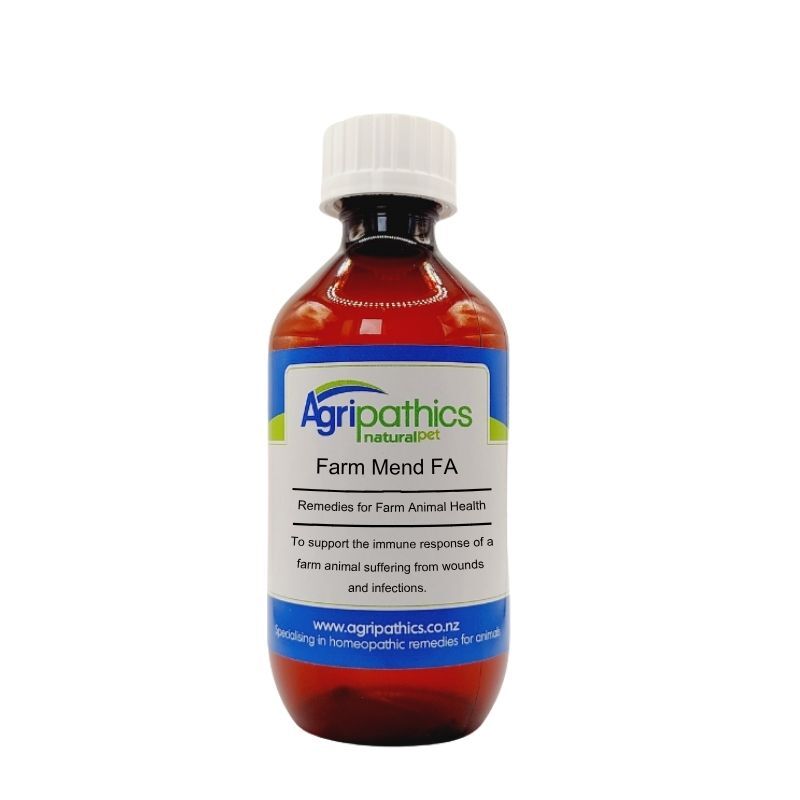
Scaly Belnd for chickens
Homeopathic support for chickens with scaly leg mite, the mite that burrows under the scales of the legs and feet.
Feather Blend for chickens
Homeopathic support for chickens affected by lice and feather mites, the parasites that live on the bird among the feathers.
About the author
Paulette Carpenter
Certified Clinical Animal Nutritionist – CCAN, F-TMAP
Dip Hom (Animal Health), RCHom, CertHMCP
Paulette has been helping animals with natural health for around 25 years. With a background in dairy farming in Northland, she works with everyone from cats and dogs to horses, dairy herds and farm animals, combining homeopathy, herbal medicine and clinical nutrition.
Need more personalised guidance?
If you have any other questions about mites or lice in your flock, don't hesitate to contact us for a free chat.
Tags:
Chickens





 Earn loyalty points everytime you shop
