

If your dog is constantly scratching, licking, chewing their paws, rubbing against furniture, or developing recurring skin problems, you are not alone.
Itchy skin is one of the most common reasons dog owners seek help. While occasional scratching is normal, persistent itching often indicates an underlying issue that needs attention.
Understanding what may be triggering your dog's itching can help you make informed decisions and support their long-term skin health and wellbeing.
What causes itchy skin in dogs?
There are many possible causes of itchy skin, and often more than one factor may be involved.
Common causes include:
- Environmental allergies
- Seasonal allergies
- Food sensitivities
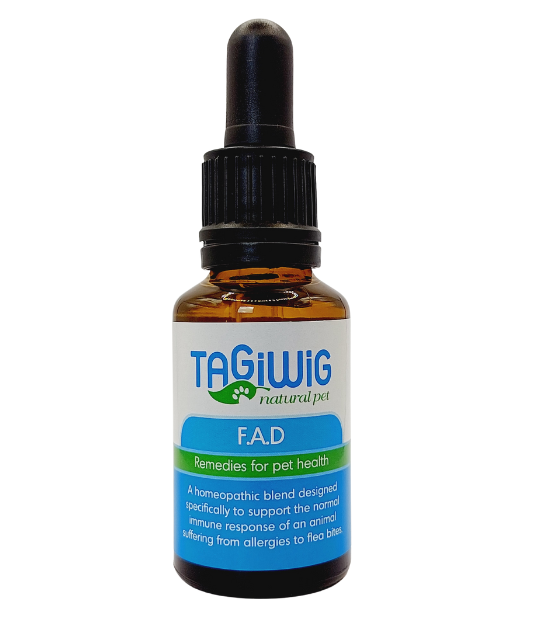
- Flea Allergy Dermatitis (FAD)
- Yeast overgrowth
- Skin infections
- Nutritional deficiencies
- Dry skin
- Hormonal imbalances
- Gut health imbalances
- Chronic inflammation
While the itching may appear on the skin's surface, the underlying cause often extends far beyond the skin itself.

Symptoms of itchy skin in dogs
Your dog may display one or more of the following signs:
- Constant scratching
- Excessive licking
- Chewing paws
- Red or irritated skin
- Hair loss or hot spots
- Frequent ear infections
- Face rubbing
- Biting at the skin
- Dandruff
- Thickened skin
- Unpleasant skin odour
- Recurring skin infections
Some dogs develop seasonal flare-ups, while others experience year-round itching.
Why does my dog keep itching?
Many owners become frustrated when itching improves temporarily but quickly returns.
In these situations, the itching itself is often a symptom rather than the root cause.
Recurring skin problems may be associated with:
- Allergies
- Skin barrier dysfunction
- Chronic inflammation
- Nutritional imbalances
- Immune system challenges
- Digestive disturbances
- Environmental triggers
Identifying and addressing the contributing factors is often the key to supporting long-term skin health.
The allergy connection
Allergies are among the most common contributors to itchy skin in dogs.
Dogs can react to:
- Pollens
- Grasses
- Dust mites
- Moulds
- Insect bites
- Environmental irritants
- Certain food ingredients
When the immune system reacts to these triggers, inflammation can develop throughout the body, often showing up as itchy skin.
Dogs affected by allergies may also experience:
- Ear infections
- Paw licking
- Red skin
- Hot spots
- Face rubbing
- Seasonal flare-ups
Flea allergy dermatitis (FAD)
Some dogs develop an allergic response to flea saliva.
Known as Flea Allergy Dermatitis (FAD), this condition can cause intense itching even when only a small number of fleas are present.
Common signs include:
- Scratching
- Biting at the tail base
- Hair loss
- Red inflamed skin
- Hot spots
- Restlessness
Many owners focus on finding fleas, but with FAD, the allergic reaction is often the real problem.
Flea Allergy Dermatitis is one of the most common causes of severe itching in dogs especially on the back at the base of the tail and should always be considered when a dog is persistently scratching.
The gut health connection
Many dogs with chronic skin issues also experience digestive imbalances.
The skin and digestive system are closely linked.
When digestive health becomes compromised, dogs may experience:
- Food sensitivities
- Allergies
- Chronic inflammation
- Poor nutrient absorption
- Recurring skin challenges
Supporting digestive health may help support:
- Healthy immune responses
- Skin health
- Nutrient utilisation
- Normal inflammatory processes
The ear infection connection
Many dogs with itchy skin also suffer from recurring ear infections.
The ears and skin are closely connected, and inflammation affecting the skin frequently affects the ears as well.
You may notice:
- Smelly ears
- Red ears
- Head shaking
- Ear scratching
- Recurring ear infections
If your dog experiences chronic ear problems, read our article: Dog Ear Infections: Causes, Symptoms and Natural Support
The paw licking connection
Persistent paw licking is often another sign of underlying skin irritation.
Dogs frequently lick their paws when experiencing:
- Allergies
- Contact sensitivities
- Skin inflammation
- Yeast issues
- Environmental irritation
Excessive licking can further irritate the skin and create a cycle of ongoing discomfort.
Many dogs that lick their paws excessively also have underlying allergies, skin inflammation or recurring ear problems.
The skin microbiome connection
Healthy skin contains a complex community of beneficial microorganisms known as the skin microbiome.
When this balance becomes disrupted, dogs may become more susceptible to:
- Itching
- Skin irritation
- Inflammation
- Yeast overgrowth
- Skin infections
Supporting overall skin health may help maintain a healthy skin environment.
The nutritional connection
Healthy skin requires a wide range of nutrients.
Nutritional imbalances may affect:
- Skin integrity
- Coat quality
- Normal skin repair processes
- Healthy inflammatory responses
Because the skin is the body's largest organ, nutritional support can play an important role in maintaining skin health.
Looking deeper with Fur Tissue Mineral Analysis (FTMA)
Recurring skin problems are often part of a larger health picture.
Many dogs with chronic itching also experience:
- Allergies
- Ear infections
- Paw licking
- Digestive challenges
- Recurring inflammation
- Poor coat quality
At Natural Pet, we offer Fur Tissue Mineral Analysis (FTMA), a non-invasive assessment that uses a sample of your pet's fur to provide insight into mineral imbalances and areas of nutritional stress within the body.
Rather than focusing solely on the skin, FTMA helps us assess your dog's overall health picture and identify factors that may be contributing to ongoing skin challenges.
FTMA may provide insight into:
- Mineral deficiencies and excesses
- Nutritional imbalances
- Skin health challenges
- Digestive function
- Stress patterns within body systems
- Immune system resilience
- Detoxification pathways
The information gathered helps us create a personalised wellness plan tailored specifically to your pet.
Depending on the findings, recommendations may include dietary changes, homeopathic support, and products from our practitioner-only nutritional support range designed to support digestive health, immune function, liver function, mineral balance and overall wellbeing.
Many owners are surprised to discover that chronic itching is often connected to a broader picture involving nutrition, digestion, immunity and overall vitality.
Natural ways to support itchy skin
Reduce Exposure to Triggers: Where possible, minimise exposure to known allergens and irritants.
Support Healthy Skin Function: Healthy skin forms an important protective barrier.
Optimise Nutrition: Good nutrition provides the building blocks required for healthy skin and coat function.
Support Digestive Health: A healthy digestive system plays an important role in overall wellbeing.
Consider Underlying Imbalances: Recurring skin problems often benefit from a broader assessment of the animal's health.
Frequently asked questions
Why is my dog constantly scratching?
Constant scratching may be associated with allergies, fleas, food sensitivities, skin irritation, yeast overgrowth, nutritional imbalances or other underlying health challenges.
Can food cause itchy skin in dogs?
Yes. Some dogs develop skin irritation and inflammation as a result of food sensitivities or digestive imbalances.
Why does my dog's itching keep coming back?
Recurring itching often indicates that an underlying factor has not yet been fully addressed. Common contributors include allergies, inflammation, nutritional imbalances and chronic skin irritation.
Can allergies cause ear infections?
Yes. Many dogs with allergies experience both itchy skin and recurring ear infections.
Can seasonal allergies cause itchy skin in dogs?
Yes. Many dogs experience increased itching during certain times of year when pollens, grasses and other environmental allergens are more prevalent. Seasonal allergies commonly affect the skin, ears and paws.
When should I seek professional help?
If your dog experiences chronic itching, recurring skin problems, ear infections or ongoing discomfort, a more comprehensive assessment such as FTMA may help identify contributing factors.
Recommended natural support for dogs with itchy skin
The best approach for itchy skin often involves looking beyond the skin alone. Depending on your dog's individual needs, support may include skin health, digestive health, immune function, and addressing underlying nutritional imbalances.
The products below are commonly used as part of a holistic wellness approach to support dogs experiencing skin itching, irritation, inflammation, allergies, and recurring skin problems.
Our recommended natural support for itchy skin
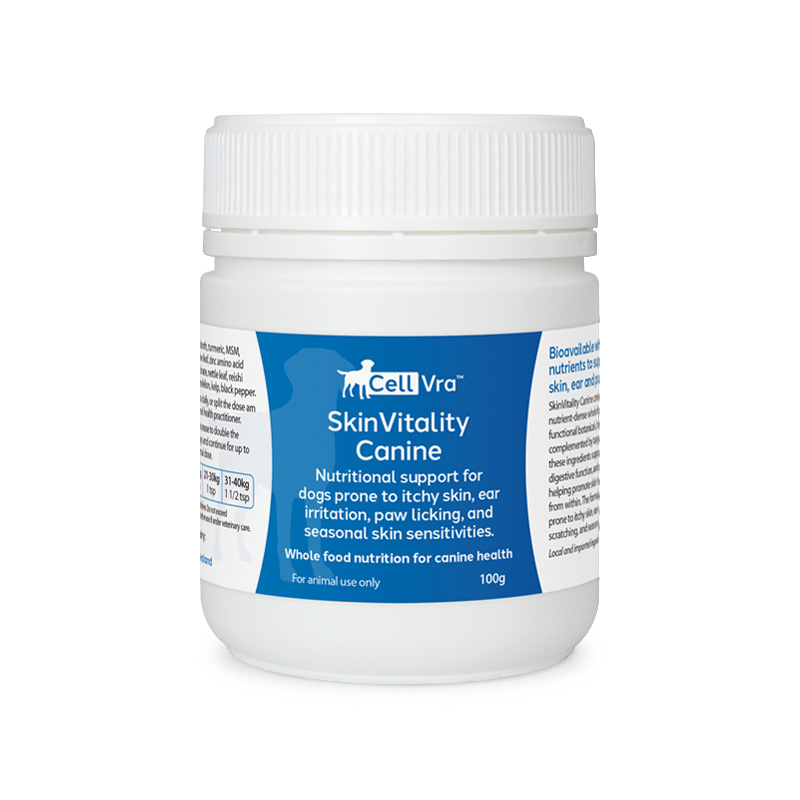
SkinVitality Canine
Nutritional support for dogs with itchy skin, allergies and recurring skin and ear problems.
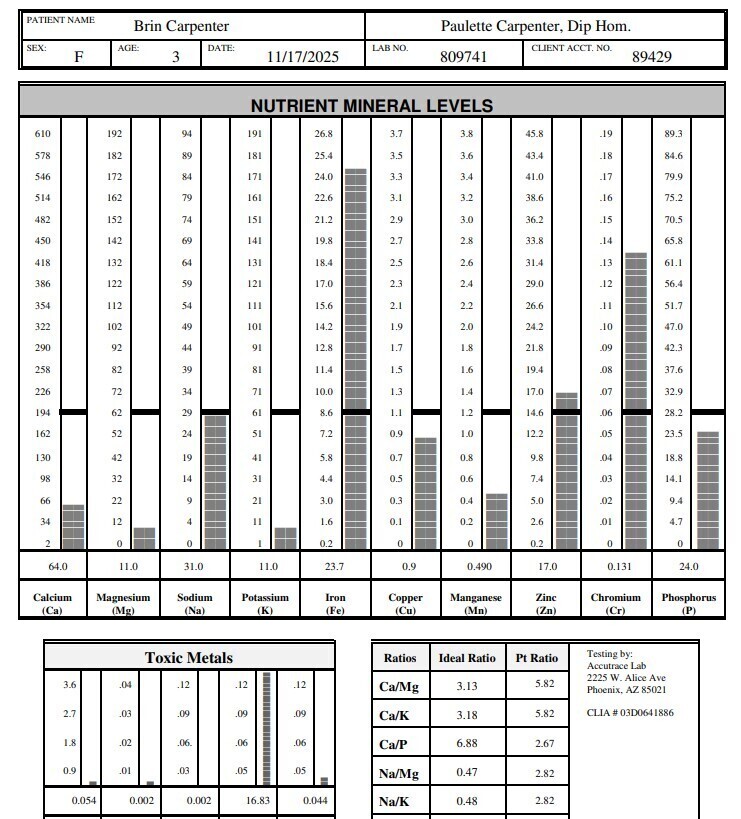
Fur Tissue Mineral Analysis
Gain deeper insight into your pet's mineral balance and nutritional status. FTMA can help uncover underlying imbalances that may contribute to recurring ear, skin and allergy problems.
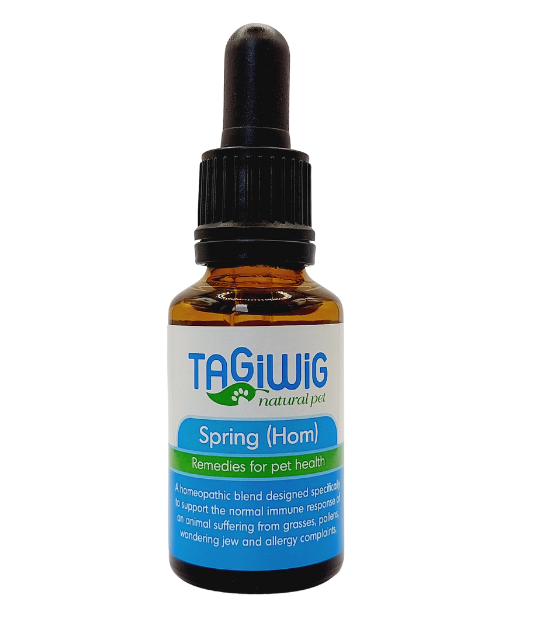
Spring (Hom)
Homeopathic support for allergies to grass, pollen and wandering jew.
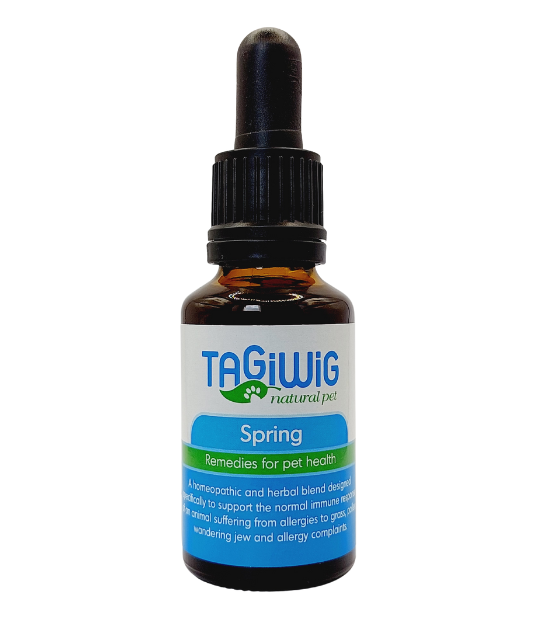
Have questions?
If you have any other questions about your pet's ear problems, don't hesitate to contact us for a free chat.
Need more personalised guidance on your animal's health and nutrition?
If your pet has ongoing health challenges or specific support needs, get personalised guidance on your animal's health and nutrition by booking a consultation.





 Earn loyalty points everytime you shop