
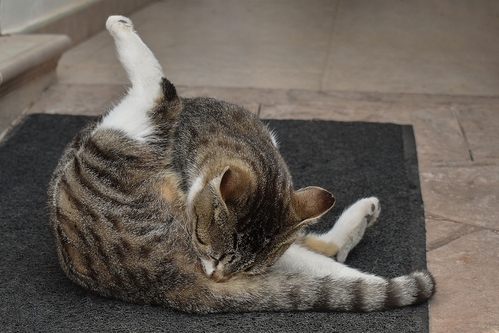
If your cat is constantly scratching, overgrooming, pulling out fur, developing bald patches or suffering from recurring skin problems, you are not alone.
Skin problems are a common concern in cats and can be frustrating for both owners and their feline companions.
While some itchy cats have obvious skin irritation, others may appear to have normal skin while excessively grooming, licking or chewing themselves.
Understanding the underlying factors that may be contributing to your cat's skin issues is often the first step towards improving their overall wellbeing.
What causes itchy skin in cats?
There are many possible causes of itchy skin and overgrooming in cats.
Common causes include:
- Fleas and flea allergy dermatitis
- Food sensitivities
- Environmental allergies
- Stress and anxiety
- Emotional upset
- Changes in routine
- Multi-cat household tension
- Digestive imbalances
- Nutritional deficiencies
- Chronic inflammation
- Skin infections
- Parasites
In many cases, more than one factor may be contributing.

Symptoms of itchy skin in cats
Cats are naturally clean animals, so excessive grooming can sometimes be difficult to recognise. Signs may include:
- Excessive grooming
- Hair loss
- Bald patches
- Scratching
- Chewing at skin
- Scabs
- Red or irritated skin
- Overgrooming of the abdomen
- Overgrooming of the legs
- Overgrooming near the tail
- Restlessness
- Changes in behaviour
Some cats develop obvious skin lesions, while others simply groom so much that patches of fur disappear.
Why does my cat keep overgrooming?
One of the most common questions cat owners ask is:
"Why is my cat licking all their fur off?"
Unlike dogs, overgrooming is often an important clue.
While skin irritation can certainly trigger excessive grooming, emotional and environmental stress can also play a significant role.
This is why some cats with apparently healthy skin still develop bald patches.
The stress and emotional connection
Cats are highly sensitive animals.
Changes that seem small to us can have a significant impact on their wellbeing.
Common stressors include:
- Moving house
- New pets
- New family members
- Changes in routine
- Neighbourhood cats
- Boarding facilities
- Loss of a companion animal
- Household conflict
Some cats respond to stress by overgrooming.
This behaviour may become a coping mechanism, creating a cycle that continues even after the original trigger has passed.
For these cats, supporting emotional wellbeing can be just as important as supporting the skin itself.
The flea connection
Fleas remain one of the most common causes of itching in cats.
Some cats develop an allergic reaction to flea saliva known as Flea Allergy Dermatitis (FAD).
When this occurs, even a single flea bite may trigger significant irritation.
Signs may include:
- Scratching
- Hair loss
- Scabs
- Skin inflammation
- Excessive grooming
- Irritation around the tail base
Flea Allergy Dermatitis (FAD) is one of the most common causes of excessive grooming and itchy skin in cats.
The allergy connection
Cats can also experience allergies.
Common triggers include:
- Dust mites
- Pollens
- Grasses
- Moulds
- Environmental irritants
- Certain food ingredients
Allergies may contribute to:
- Itchy skin
- Ear irritation
- Excessive grooming
- Skin inflammation
- Recurring skin problems
The nutritional connection
Healthy skin and coat require proper nutrition.
The skin is constantly renewing itself and relies on an adequate supply of nutrients to maintain normal function.
Nutritional imbalances may affect:
- Coat quality
- Skin integrity
- Normal inflammatory responses
- Skin repair processes
Providing appropriate nutritional support may help maintain healthy skin and coat condition.
The gut health connection
The digestive system and skin are closely linked.
Cats experiencing digestive imbalances may also be more prone to:
- Food sensitivities
- Skin irritation
- Inflammation
- Poor coat quality
Supporting digestive health can be an important aspect of maintaining overall wellness.
Looking deeper with Fur Tissue Mineral Analysis (FTMA)
Recurring skin problems often indicate there may be more going on than simply an issue affecting the skin itself.
Many cats with chronic skin challenges also experience:
- Overgrooming
- Digestive issues
- Stress-related behaviours
- Poor coat quality
- Food sensitivities
- Recurring inflammation
At Natural Pet, we offer Fur Tissue Mineral Analysis (FTMA), a non-invasive assessment using a sample of your cat's fur.
FTMA helps provide insight into:
- Mineral deficiencies and excesses
- Nutritional imbalances
- Stress patterns within body systems
- Digestive health challenges
- Skin and coat health
- Detoxification pathways
- Overall wellbeing
The information gathered helps us create a personalised wellness plan tailored specifically to your cat.
Depending on the findings, recommendations may include dietary changes, homeopathic support, environmental adjustments and products from our practitioner-only nutritional support range.
Many owners are surprised to discover how strongly skin and coat problems can be linked to underlying nutritional and health imbalances.
Natural ways to support itchy skin in cats
Reduce Stress Where Possible: Provide safe spaces, predictable routines and environmental enrichment.
Maintain Good Flea Control: Flea allergy remains one of the most common causes of itching.
Support Good Nutrition: Healthy skin starts from within.
Support Digestive Health: The digestive system plays a major role in overall wellbeing.
Consider Underlying Imbalances: Recurring skin problems often benefit from a broader assessment of the whole animal.
Frequently asked questions
Why is my cat licking all their fur off?
Overgrooming may be associated with stress, anxiety, skin irritation, allergies, flea allergy dermatitis, nutritional imbalances or other underlying health challenges.
Can stress cause skin problems in cats?
Yes. Stress and emotional upset can contribute to excessive grooming, hair loss and other skin-related behaviours in some cats.
Can fleas make my cat itchy even if I can't see any fleas?
Yes. Cats with flea allergy dermatitis may react to very small numbers of fleas.
Can food cause itchy skin in cats?
Yes. Some cats may experience skin irritation associated with food sensitivities or digestive imbalances.
When should I seek professional help?
If your cat is overgrooming, developing bald patches, scratching excessively or experiencing recurring skin problems, a more comprehensive assessment such as FTMA may help identify contributing factors.
Can anxiety cause overgrooming in cats?
Yes. Some cats respond to stress, anxiety, environmental change or emotional upset by excessively grooming themselves. This may result in hair loss, bald patches and ongoing skin irritation.
Recommended natural support for cats with itchy skin
The best approach for itchy skin often involves looking beyond the skin alone. Depending on your cat's individual needs, support may include skin health, digestive health, immune function, and addressing underlying nutritional imbalances.
The products and service below are commonly used as part of a holistic wellness approach to support cats experiencing skin itching, irritation, inflammation, allergies, and recurring skin problems.
Our recommended natural support for itchy skin
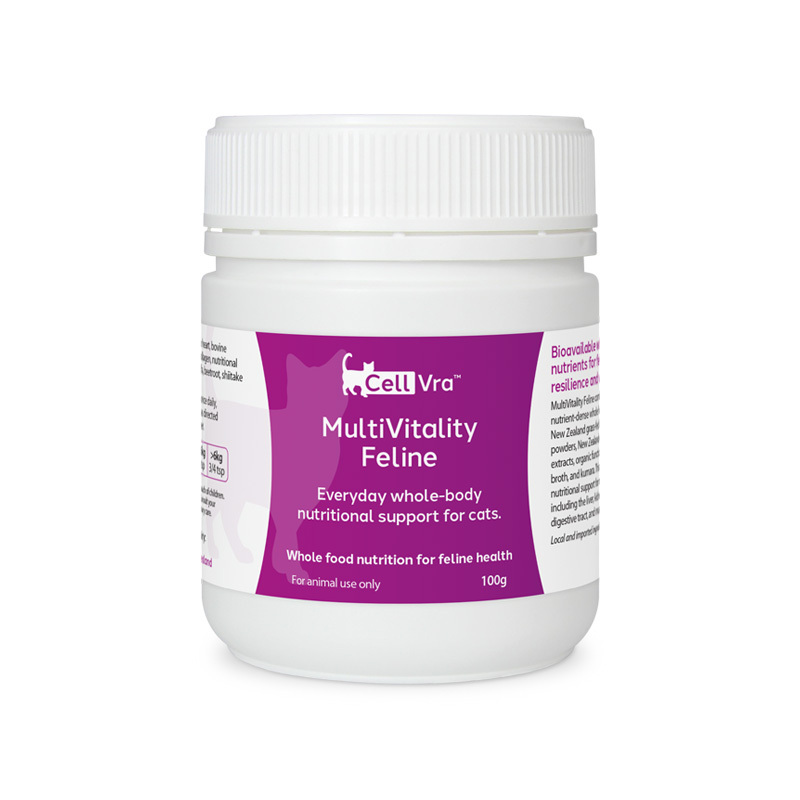
MultiVitality Feline
Whole-food nutritional support for healthy skin, coat condition and overall wellbeing.
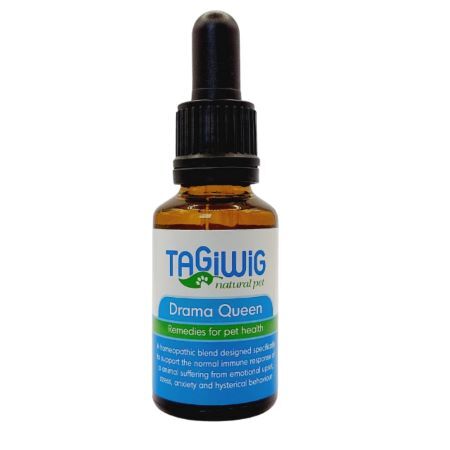
Drama Queen
Homeopathic support for sensitive cats experiencing stress, anxiety and stress-related overgrooming.
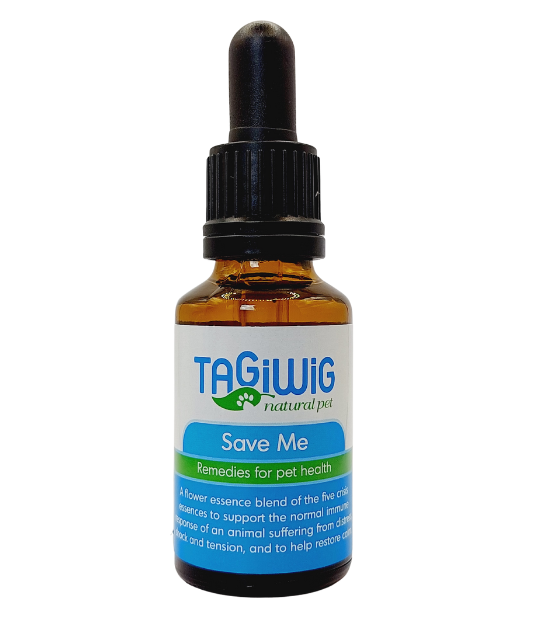
Save Me
Flower essence support for cats struggling with environmental changes, stress or emotional upset.
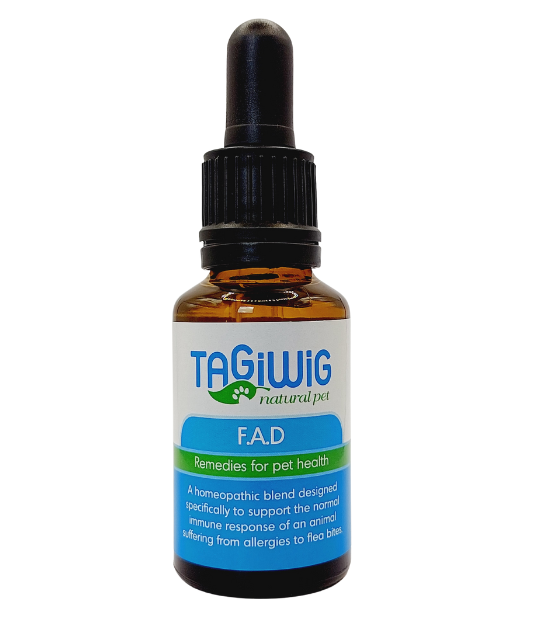
F.A.D Flea Allergic Dermatitis
Homeopathic support for pets affected by flea allergic dermatitis and flea-related skin irritation.
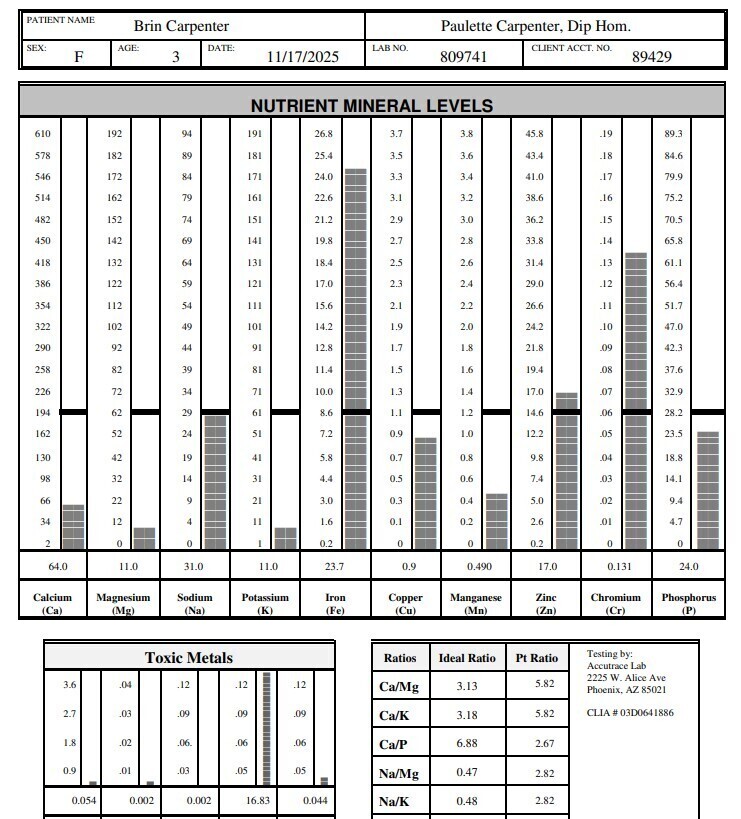
Fur Tissue Mineral Analysis
Gain deeper insight into your pet's mineral balance and nutritional status. FTMA can help uncover underlying imbalances that may contribute to recurring skin problems, overgrooming, allergies and poor coat condition.
Have questions?
If you have any other questions about your cat's skin problems, don't hesitate to contact us for a free chat.
Need more personalised guidance on your animal's health and nutrition?
If your pet has ongoing health challenges or specific support needs, get personalised guidance on your animal's health and nutrition by booking a consultation.





 Earn loyalty points everytime you shop