

If your dog is constantly scratching their ears, shaking their head, developing smelly ears, or suffering recurring ear infections, you're not alone. Ear infections are one of the most common health concerns seen in dogs and can be frustrating for both pets and owners.
While treating the immediate infection is important, many dogs continue to experience recurring ear problems because the underlying cause has not been identified.
Understanding what causes ear infections and addressing the factors contributing to them can help support your dog's long-term ear health and overall wellbeing.
What are dog ear infections?
An ear infection occurs when inflammation develops within the ear canal, allowing yeast, bacteria or other organisms to overgrow.
Unlike humans, dogs have a long L-shaped ear canal. This unique structure makes it more difficult for moisture, wax, debris and allergens to escape, creating an environment where inflammation and infection can develop.
Dogs with floppy ears, excessive hair growth in the ears, allergies or chronic skin issues are often more susceptible.

Symptoms of dog ear infections
Your dog may display one or more of the following signs:
- Scratching at the ears
- Shaking the head
- Red or inflamed ears
- Swelling within the ear canal
- Discharge from the ears
- Yellow, brown or black wax build-up
- Strong odour from the ears
- Pain when ears are touched
- Head tilting
- Irritability
- Reduced appetite
- Recurring infections
Some dogs may also develop swollen ear flaps (aural haematomas) due to excessive scratching and head shaking.
If your dog appears painful, loses balance, develops severe swelling or has a sudden change in behaviour, seek veterinary attention.
Why do ear infections keep coming back?
Many dog owners become trapped in a cycle where ear infections improve temporarily but return again weeks or months later.
The truth is that bacteria and yeast are often the result of inflammation, not the root cause.
Recurring ear infections commonly indicate an underlying health challenge that has not yet been addressed.
Types of ear infections in dogs
There are three main types of ear infections:
Otitis Externa
Inflammation of the outer ear canal.
This is the most common form of ear infection in dogs.
Otitis Media
Inflammation affecting the middle ear.
Otitis Interna
Inflammation affecting the inner ear.
Inner and middle ear infections can become serious and may require veterinary attention to avoid long-term complications.

Common causes of recurring ear infections
Recurring ear infections are often associated with:
- Environmental or seasonal allergies
- Food sensitivities
- Gut health imbalances
- Chronic skin inflammation
- Poor immune function
- Hormonal conditions
- Excess moisture in the ears
- Foreign bodies such as grass seeds
- Nutritional deficiencies
Identifying and addressing these contributing factors is often the key to improving long-term ear health.
The skin and ear connection
One of the most overlooked aspects of chronic ear infections is the relationship between the skin and ears.
Dogs with recurring ear infections frequently experience:
- Itchy skin
- Red and itchy paws
- Excessive licking
- Seasonal allergies
- Hot spots
- Skin irritation
- Recurring yeast problems
Because the ears are lined with skin tissue, many inflammatory skin conditions can also affect the ears.
If your dog suffers from itchy skin and recurrent ear infections, supporting skin health may be an important part of their wellness plan.
The allergy connection
Allergies are one of the leading contributors to chronic ear disease.
Dogs may react to:
- Pollens
- Grasses
- Dust mites
- Moulds
- Environmental irritants
- Certain food ingredients
When the immune system reacts to these triggers, inflammation can occur throughout the body, including the ears.
You may notice:
- Ear infections
- Red and itchy paws
- Excessive itching
- Skin irritation
- Face rubbing
- Recurrent hot spots
Reducing inflammation and supporting immune balance may help minimise flare-ups.
The gut health connection
Many dogs with chronic ear infections also have digestive imbalances.
The digestive tract plays a major role in immune function and inflammatory responses throughout the body.
When gut health becomes compromised, dogs may experience:
- Food sensitivities
- Skin problems
- Allergies
- Chronic inflammation
- Recurring ear infections
For this reason, many practitioners consider gut health an essential part of managing chronic ear problems.
Supporting digestive function may help support:
- Healthy immune responses
- Nutrient absorption
- Skin health
- Normal inflammatory processes
The immune system connection
A healthy immune system helps maintain balance throughout the body.
When dogs experience ongoing skin issues, allergies or recurring infections, additional immune support may be beneficial as part of a broader wellness approach.
Many dogs with chronic ear infections benefit from a combination of:
- Gut support
- Skin support
- Immune support
- Targeted ear support
The liver connection
In holistic animal healthcare, recurring inflammatory conditions are often viewed as part of a larger health picture.
The liver plays an important role in:
- Detoxification processes
- Nutrient metabolism
- Hormone processing
- Normal inflammatory regulation
Because recurring ear infections are often linked to allergies, skin issues and chronic inflammation, some practitioners include liver support within a comprehensive wellness programme.
Looking deeper with Fur Tissue Mineral Analysis (FTMA)
Recurring ear infections are rarely just about the ears.
Many dogs receive treatment for ear infections, only to have the symptoms return again and again. This often happens because the infection itself is not the root cause of the problem.
Chronic ear issues can be associated with underlying nutritional imbalances, mineral deficiencies, stress within body systems, poor detoxification, inflammatory processes, digestive challenges, and overall health imbalance.
Fur Tissue Mineral Analysis (FTMA)
At Natural Pet, we offer Fur Tissue Mineral Analysis (FTMA), a non-invasive assessment that uses a sample of your pet's fur to provide insight into mineral imbalances and areas of nutritional stress within the body.
Rather than focusing solely on the ears, FTMA allows us to look at your dog's overall health picture and identify patterns that may be contributing to ongoing health challenges.
For dogs experiencing recurring ear infections, FTMA may provide valuable information about:
- Mineral deficiencies and excesses
- Nutritional imbalances
- Inflammatory tendencies
- Skin health challenges
- Stress patterns within body systems
- Digestive function
- Immune system resilience
- Detoxification and elimination pathways
The information gathered from FTMA helps us create a personalised wellness plan tailored specifically to your dog's needs.
This may include dietary recommendations, targeted supplementation with our own practitioner only supplement range, homeopathic support, and lifestyle changes designed to support the body as a whole.
Many owners are surprised to discover that recurring ear infections are often part of a much bigger picture involving skin health, immunity, nutrition, digestion, and overall vitality.
When these underlying imbalances are addressed, the body is often better able to maintain healthy skin and ears naturally.
Natural ways to support healthy ears
Keep Ears Clean and Dry: Moisture creates an ideal environment for yeast and bacteria.Always dry ears thoroughly after swimming or bathing.
Support Healthy Skin: Healthy skin often contributes to healthy ears. Skin support can be particularly beneficial for dogs with allergies and recurring inflammation.
Support Gut Health: Digestive health and ear health are closely connected. Many dogs with chronic ear problems benefit from digestive support.
Support Immune Function: A balanced immune system helps maintain healthy inflammatory responses.
Address Underlying Contributors: Rather than focusing solely on ear symptoms, consider whether allergies, digestive issues, skin problems or other imbalances may be involved.
Frequently asked questions
What is the most common cause of recurring ear infections in dogs?
There is rarely a single cause. Recurring ear infections are often associated with a combination of factors including allergies, skin inflammation, food sensitivities, digestive imbalances, immune challenges and overall health imbalances. Identifying the underlying contributors is often the key to improving long-term ear health.
Can food affect my dog's ears?
Yes. Some dogs develop inflammation and recurring ear infections due to food sensitivities or digestive imbalances.
Why does my dog's ear infection keep returning?
Repeated ear infections often indicate that an underlying cause has not been addressed. Common contributing factors include allergies, skin irritation, digestive imbalances, chronic inflammation, nutritional deficiencies and immune system challenges.
Can skin problems cause ear infections?
Yes. The skin and ears are closely connected, and many dogs experiencing itchy skin also develop chronic ear issues.
When should I seek professional help?
If your dog experiences recurring infections, ongoing discomfort, excessive scratching or repeated flare-ups, a more comprehensive assessment such as FTMA may help identify contributing factors.
Can swimming cause ear infections in dogs?
Yes. Excess moisture trapped within the ear canal can create an environment where yeast and bacteria thrive. Dogs that swim frequently or have floppy ears may be more prone to ear problems if the ears are not thoroughly dried afterwards.
Recommended natural support for dogs with ear problems
The best approach for recurring ear infections often involves looking beyond the ears alone. Depending on your dog's individual needs, support may include ear health, skin health, digestive health, immune function, and addressing underlying nutritional imbalances.
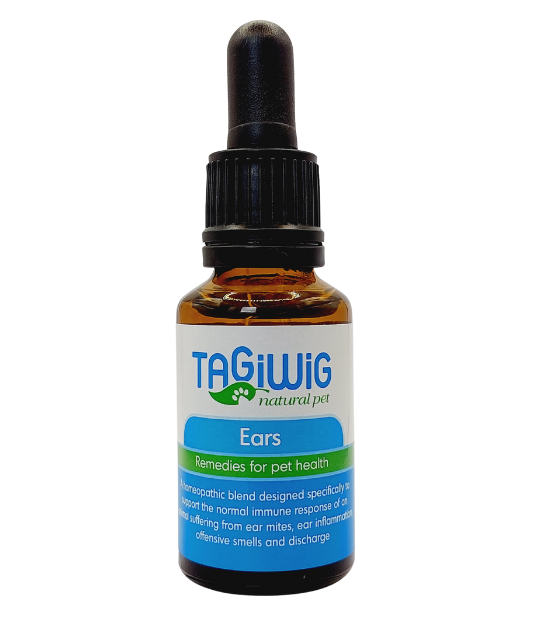
The products below are commonly used as part of a holistic wellness approach to support dogs experiencing ear irritation, inflammation, allergies, itchy skin, and recurring ear problems.
Our recommended natural support for ear problems
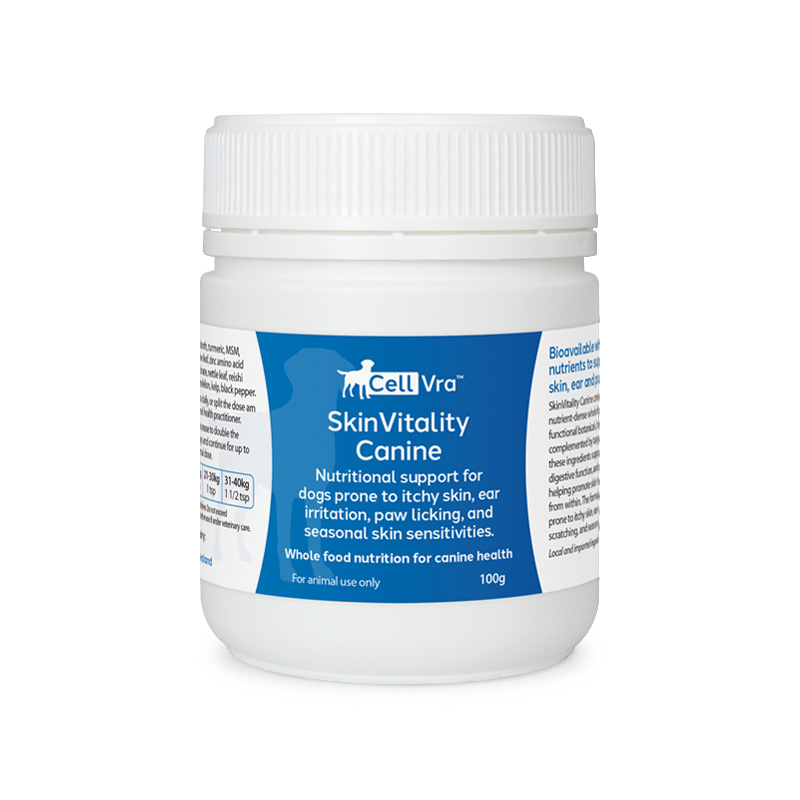
SkinVitality Canine
Nutritional support for dogs with itchy skin, allergies and recurring skin and ear problems.

Fur Tissue Mineral Analysis
Gain deeper insight into your pet's mineral balance and nutritional status. FTMA can help uncover underlying imbalances that may contribute to recurring ear, skin and allergy problems.
Have questions?
If you have any other questions about your pet's ear problems, don't hesitate to contact us for a free chat.
Need more personalised guidance on your animal's health and nutrition?
If your pet has ongoing health challenges or specific support needs, get personalised guidance on your animal's health and nutrition by booking a consultation.
Tags:
Dogs





 Earn loyalty points everytime you shop