
By Paulette Carpenter, Animal Clinical Nutritionist, Homeopath and Herbalist · 12 November 2026
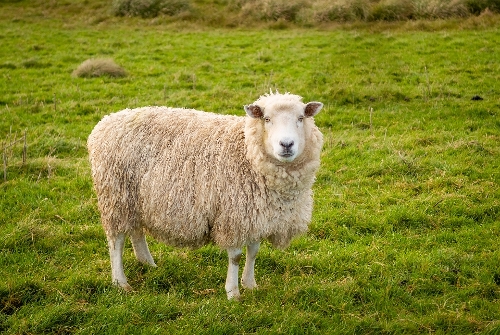
If a sheep or goat is stamping, twitching its tail, biting at its back end or standing apart from the mob, flystrike may be the cause, and it needs attention fast.
Flystrike is one of the most serious summer health problems for sheep and goats in New Zealand. It can develop within days, especially when the weather turns warm and humid after rain.
The good news is that most flystrike can be prevented or caught early with regular checks and good management. Understanding what attracts flies, and which animals are most at risk, is the best place to start.
What is flystrike?
Flystrike happens when blowflies lay their eggs on an animal, usually in damp, dirty or wounded areas of the wool or skin.
The eggs can hatch into maggots within a day in warm weather. The maggots feed on the skin and flesh, causing painful wounds that attract even more flies.
Without treatment, flystrike can quickly lead to infection, toxaemia and death. This is why early detection matters so much.

Where flystrike occurs
| Type | Where | Common cause | ||
| Breech strike | Around the tail and back end | Dags, scouring and urine staining | ||
| Body strike | Along the back and sides | Wet fleece, fleece rot after rain | ||
| Wound strike | Any wound or injury | Cuts, docking or tailing wounds, fighting injuries | ||
| Poll strike | Head and horn base | Head wound in rams and bucks from fighting | ||
| Foot strike | Feet | Footrot and scald |

Signs your animals may have flystrike
Watch for one or more of the following:- Stamping feet or twitching the tail
- Biting or rubbing at the back end or sides
- Standing apart from the mob
- Restlessness or lying down and getting up repeatedly
- Damp, discoloured or matted wool
- A strong, unpleasant smell
- Wool lifting or falling away
- Visible maggots
- Going off feed or seeming dull
Who is most at risk?
Some animals are far more likely to be struck than others:
- Sheep and goats with dags or a dirty back end
- Animals that are scouring, often from worms or a sudden change to lush pasture
- Animals with long or wet fleece
- Lambs and kids after docking or tailing
- Rams and bucks with fighting wounds
- Animals with footrot or scald
- Animals that are already unwell or in poor condition
When is flystrike most likely?
Flystrike risk rises when the weather is warm and humid, particularly after rain. In much of New Zealand this means late spring through to autumn, but a warm, wet spell can bring a strike at almost any time of year.
Wet fleece is especially attractive to flies, so keep a close eye on your animals for a few days after rain.
The flock health connection
Many flystrike cases start with a problem somewhere else.
Scouring from worms, a sudden diet change, or poor gut health leads to dags. Footrot and scald leave open areas on the feet. Animals that are run down are often slower to show signs and slower to recover.
Looking after the overall health of your animals, including worm management, gut health and foot care, may help reduce flystrike risk as part of a whole-farm approach.
Natural ways to support flystrike prevention
Check animals daily in high-risk weather
Catching flystrike early makes a big difference. Look for the behaviour changes above and check back ends in particular.
Keep back ends clean
Dagging and crutching remove the soiled wool that attracts flies. Time crutching ahead of the main fly season where you can.
Manage scouring
Keeping on top of worms and avoiding sudden diet changes helps reduce dags in the first place.
Time shearing well
Shorter fleece dries faster and is less attractive to flies. Plan shearing around your highest-risk months.
Care for wounds promptly
Clean any wounds as soon as you find them, including docking and fighting wounds, so they heal before flies find them.
Look after feet
Treat footrot and scald early, as damaged feet can attract flies too.
If you find a strike
Clip the wool away from the area, remove as many maggots as you can, and gently clean the wound. Check the surrounding wool carefully, as strikes are often larger than they first look. Keep a close eye on the animal over the next few days.
Frequently asked questions
What causes flystrike?
Blowflies lay their eggs in damp, dirty or wounded areas, usually around dags, wet fleece or open wounds. The eggs hatch into maggots that feed on the skin.
How quickly does flystrike develop?
Very quickly. In warm weather, eggs can hatch within a day, and a struck animal can become seriously unwell within a few days.
Do goats get flystrike?
Yes, although less often than sheep. Goats with dags, wounds or footrot are most at risk.
How can I reduce the risk of flystrike?
Regular dagging and crutching, good worm management, well-timed shearing, prompt wound care and daily checks during warm, humid weather all help.
What time of year is flystrike worst?
Risk is highest in warm, humid weather, usually from late spring through to autumn, and especially after rain.
When should I call the vet?
If the strike is large or deep, the animal is weak, not eating, or seems unwell beyond the wound itself, call your vet straight away. Severe flystrike can cause toxaemia and needs urgent treatment.
Our recommended natural support for flystrike
All Agripathics remedies are non-withholding, so there's no withholding period for milk or meat.
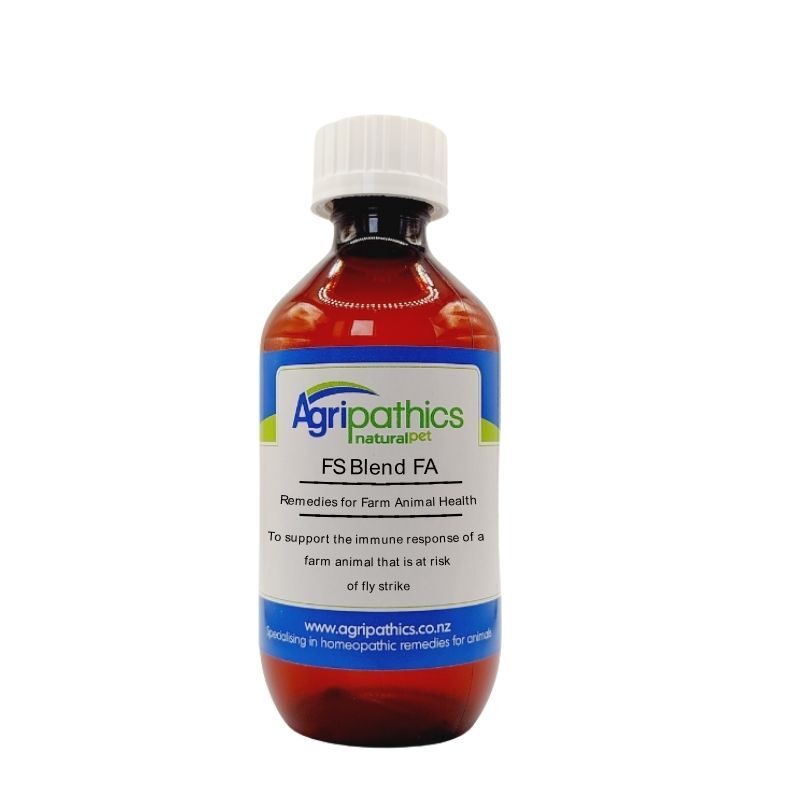
FS Blend for Farm Animals
Homeopathic support for sheep, goats and other farm animals during the flystrike season. Best used alongside regular checks, dagging and good wound care.
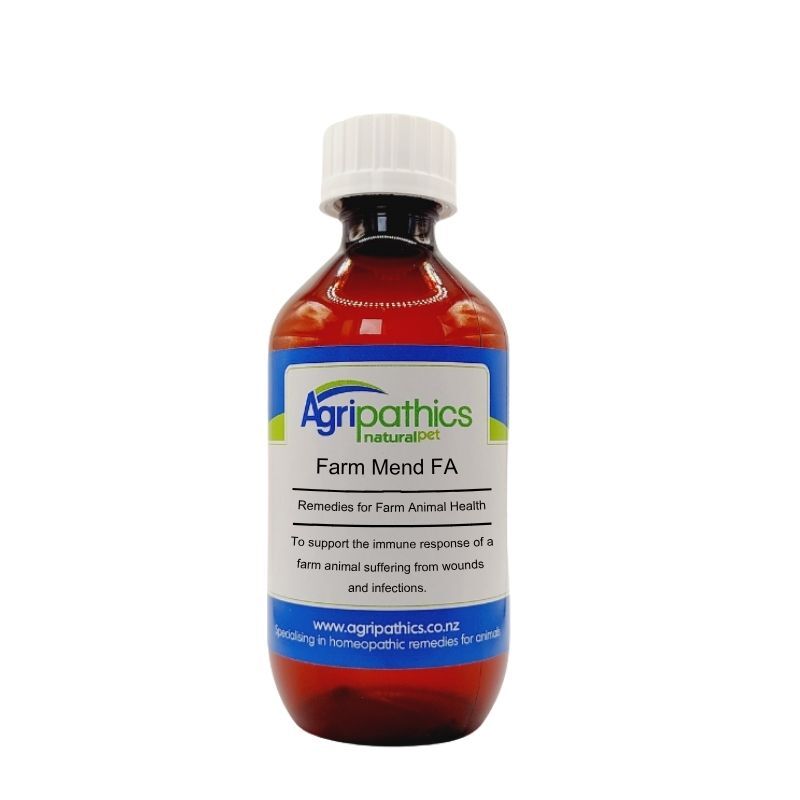
Farm Mend for Farm Animals
Homeopathic support for farm animals with wounds, infection and slow healing, including after a flystrike has been treated.
About the author
Paulette Carpenter
Certified Clinical Animal Nutritionist – CCAN, F-TMAP
Dip Hom (Animal Health), RCHom, CertHMCP
Paulette has been helping animals with natural health for around 25 years. With a background in dairy farming in Northland, she works with everyone from cats and dogs to horses, dairy herds and farm animals, combining homeopathy, herbal medicine and clinical nutrition.
Need more personalised guidance?
If your animals have ongoing health challenges or you’d like help planning for the flystrike season, don’t hesitate to contact us for a free chat about which homeopathic support may suit your flock or herd.
Tags:
Farm Animals





 Earn loyalty points everytime you shop
