
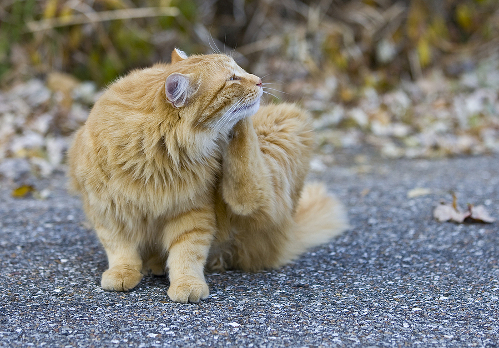
If your cat is constantly grooming, developing bald patches, scratching, or showing unexplained skin irritation, fleas may be part of the problem.
Fleas are one of the most common parasites affecting cats and can quickly become frustrating for both pets and owners.
Many cat owners assume they would see fleas if they were present, but this is not always the case. Cats are excellent groomers and often remove evidence before owners realise there is a problem.
Understanding the flea life cycle and taking a holistic approach can help you regain control and keep your cat comfortable.
What are fleas?
Fleas are small parasitic insects that feed on the blood of animals.
Although tiny, fleas can cause significant irritation and discomfort.
A single flea can lay dozens of eggs, allowing flea populations to increase rapidly when conditions are favourable.
Because fleas reproduce so efficiently, successful flea control involves more than simply treating your cat.

Signs your cat may have fleas?
Your cat may display one or more of the following signs:
- Excessive grooming
- Scratching
- Hair loss
- Bald patches
- Scabs, especially around the neck and back
- Red and irritated skin
- Flea dirt in the coat
- Restlessness
- Increased irritability
- Fleas visible in the coat
Many cats appear to groom normally while slowly thinning their coat over time.
Why is my cat grooming so much?
One of the most common questions cat owners ask is:
"Why is my cat licking all their fur off?"
While stress and anxiety can contribute to overgrooming, fleas should always be considered as a possible cause.
Some cats become extremely sensitive to flea bites and respond by grooming excessively, particularly around:
- The tail base
- Lower back
- Abdomen
- Inner thighs
In some cases, owners notice hair loss before they ever see a flea.
What is Flea Allergy Dermatitis?
One of the most common flea-related skin conditions in cats is Flea Allergy Dermatitis (FAD).
FAD occurs when a cat develops an allergic reaction to flea saliva.
For these cats, even a small number of flea bites can trigger a significant reaction.
Common signs include:
- Intense grooming
- Hair loss
- Scabs
- Itchy skin
- Skin inflammation
- Irritation around the tail base
- Recurring skin problems
Many cats with flea allergy dermatitis react more strongly to the flea bite than to the flea itself.

Why are fleas so hard to get rid of?
The biggest challenge is the flea life cycle.
While owners focus on the fleas they can see, adult fleas often represent only a small percentage of the total flea population.
The remainder exists as:
- Eggs
- Larvae
- Pupae
These are usually found throughout the home and surrounding environment.
This is why treating only the cat often fails to solve the problem.
The flea life cycle
Understanding the flea life cycle is one of the most important steps in successful flea management.
- Adult fleas live on the animal.
- Eggs fall into the environment.
- Eggs hatch into larvae.
- Larvae develop into pupae.
- New adult fleas emerge and jump onto the host animal.
Breaking this cycle is often the key to long-term flea control.
The environmental connection
One of the most effective ways to control fleas is by managing the environment.
Areas requiring attention include:
- Cat bedding
- Carpets and rugs
- Upholstered furniture
- Cat towers
- Sleeping areas
- Outdoor shelters
- Shaded garden areas
Regular cleaning helps remove flea eggs and larvae before they mature.
The skin health connection
Fleas can be particularly problematic for cats already experiencing:
- Skin irritation
- Itchy skin
- Allergies
- Overgrooming
- Poor coat condition
- Flea allergy dermatitis
Supporting overall skin and coat health may be beneficial as part of a broader wellness approach.
Related Article: Itchy skin in cats: Causes, symptoms and natural support
Looking deeper with Fur Tissue Mineral Analysis (FTMA)
Some cats appear particularly susceptible to recurring skin challenges.
At Natural Pet, we often see cats experiencing:
- Overgrooming
- Chronic skin irritation
- Allergies
- Flea allergy dermatitis
- Poor coat condition
- Recurring inflammation
Fur Tissue Mineral Analysis (FTMA) may provide insight into:
- Mineral deficiencies and excesses
- Nutritional imbalances
- Skin and coat health
- Stress patterns within body systems
- Overall wellbeing
The information gathered helps us create a personalised wellness plan tailored specifically to your cat.
Depending on the findings, recommendations may include dietary changes, homeopathic support, environmental adjustments and products from our practitioner-only nutritional support range.
Natural ways to support flea control
Wash Pet Bedding
Wash bedding regularly using hot water.
Hot washing and drying may help eliminate flea eggs, larvae and adult fleas.
Vacuum Frequently
Pay particular attention to:
- Sleeping areas
- Skirting boards
- Carpets and rugs
- Furniture
If dealing with a significant infestation, put a few drops of tea tree oil in the bag and then empty the vacuum promptly.
Salt
After thoroughly vacuuming, lightly sprinkled ordinary household salt into the carpet and left it in place for as long as practical before vacuuming again.
The theory is that when flea larvae hatch within the carpet, the dry environment created by the salt will help dehydrate them.
Salt can be another useful tool to add to your flea-control programme as you work to break the flea life cycle.
Flea Comb Daily
Flea combing helps remove:
- Adult fleas
- Flea dirt
- Flea eggs
A bowl of hot soapy water can be used to dispose of captured fleas. You can also add a few drops of tea tree oil to this.
Maintain Outdoor Areas
Regular mowing and keeping outdoor areas clean can help reduce flea-friendly environments.
Diatomaceous Earth
Some owners use food-grade diatomaceous earth in cracks and areas difficult to reach.
It may help dry out flea larvae in the environment.
Frequently asked questions
How do I know if my cat has fleas?
Common signs include excessive grooming, scratching, hair loss, bald patches, scabs, flea dirt and visible fleas within the coat.
Can one flea make my cat itchy?
Yes. Cats with Flea Allergy Dermatitis may react strongly to only a small number of flea bites.
Why does my cat keep grooming itself?
Overgrooming may be associated with fleas, flea allergy dermatitis, skin irritation, allergies, stress or other underlying health challenges.
Can fleas cause bald patches in cats?
Yes. Frequent grooming and skin irritation caused by fleas can lead to noticeable hair loss and bald patches.
Why do fleas keep coming back?
Because much of the flea life cycle occurs in the environment rather than on the cat itself.
Can fleas live in my carpet?
Yes. Eggs, larvae and pupae commonly develop in carpets, bedding and furniture, which is why environmental treatment is important.
Our recommended natural support for flea problems

Jumpies (Hom)
Homeopathic support traditionally used for dogs and cats experiencing flea challenges.
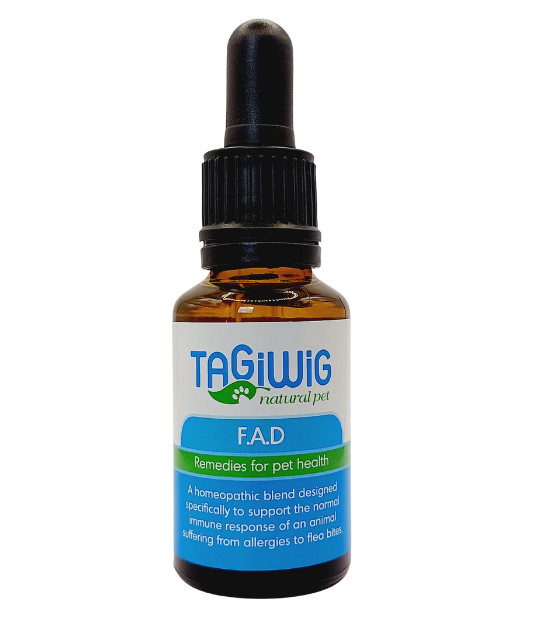
F.A.D Flea Allergy Dermatitis
Homeopathic support for cats experiencing flea-related skin irritation and flea allergy dermatitis.

MultiVitality Feline
Whole-food nutritional support for healthy skin, coat condition and overall wellbeing.

Fur Tissue Mineral Analysis (FTMA)
Gain deeper insight into your cat's mineral balance, nutritional status and skin health challenges.
Have questions?
If you have any other questions about your pet's flea problems, don't hesitate to contact us for a free chat.
Need more personalised guidance on your animal's health and nutrition?
If your pet has ongoing health challenges or specific support needs, get personalised guidance on your animal's health and nutrition bybooking a consultation.
Tags:
Cats





 Earn loyalty points everytime you shop
