
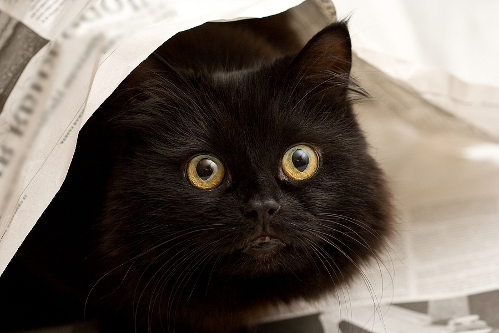
If your cat disappears under the bed during fireworks, hides during thunderstorms or becomes anxious when loud noises occur, you are not alone. Many cats are sensitive to sudden or unexpected sounds.
While some cats recover quickly, others may remain stressed long after the noise has stopped. Understanding why your cat reacts this way can help you provide appropriate support and create a calmer environment during stressful events such as Guy Fawkes, thunderstorms and celebrations.
Why are cats afraid of loud noises?
Cats are naturally cautious animals. In the wild, sudden noises could indicate danger. As a result, cats are highly tuned to their surroundings and often react quickly to unexpected sounds.
Common triggers include:
- Fireworks
- Thunderstorms and lightning
- Cars backfiring
- Vacuum cleaners
- Loud machinery and renovation work
- Parties and celebrations
While some cats appear unaffected, others may experience significant fear and anxiety.

Why are some cats more sensitive than others?
Every cat has a unique personality.
Factors that may contribute to noise sensitivity include:
- Genetics
- Previous frightening experiences
- Early life experiences
- Personality traits
- Environmental stress
- Changes within the household
- Existing anxiety
Some cats naturally have a more sensitive temperament and may be more prone to fear responses during loud or unpredictable events.

Signs of fear and anxiety in cats
Cats often display fear differently from dogs. Many fearful cats become quiet and withdrawn rather than visibly distressed.
Your cat may show one or more of the following signs:
- Hiding, freezing or running away
- Dilated pupils
- Excessive grooming
- Loss of appetite
- Restlessness
- Increased clinginess or vocalisation
- Aggression
- Changes in toileting habits
Some cats may continue displaying signs of stress for days after a frightening event.
Fireworks and guy fawkes
Guy Fawkes can be a particularly stressful time for cats.
Unlike planned events, fireworks are:
- Sudden
- Unpredictable
- Extremely loud
- Often repeated over many nights
Because cats cannot understand the source of the noise, fireworks can create significant anxiety and stress. Many cats choose to hide until they feel safe again.
The thunderstorm connection
Thunderstorms can be especially frightening for some cats.
Cats may react to:
- Thunder and lightning
- Strong winds
- Heavy rain
- Changes in atmospheric pressure
Some owners notice their cat becoming unsettled before a storm arrives.
This heightened awareness can make storms particularly stressful for sensitive cats.
The emotional wellbeing connection
For some cats, fear of loud noises is only one piece of the puzzle.
Cats experiencing stress or anxiety from other aspects of life may be more likely to struggle during fireworks and thunderstorms.
Common sources of stress include:
- Moving house
- Boarding
- New pets
- New babies
- Changes in routine
- Neighbourhood cats
- Household conflict
When stress builds over time, cats may become increasingly sensitive to additional challenges.
The overgrooming connection
Unlike dogs, many cats express emotional stress through grooming behaviour.
Some cats experiencing anxiety may:
- Groom excessively
- Pull out fur
- Develop bald patches
Focus on the abdomen, legs or tail baseIf overgrooming is occurring alongside noise anxiety or fear, it may indicate that your cat is struggling to cope with stress.
Can fear of loud noises become a phobia?
Yes.
Repeated exposure to frightening events can sometimes result in an increasingly severe response.
Some cats begin anticipating stressful events before they occur. Early support may help prevent fear from becoming a long-term issue.
Looking deeper with Fur Tissue Mineral Analysis (FTMA)
Some cats appear naturally more resilient than others.
At Natural Pet, we often find that cats experiencing chronic anxiety, nervous behaviour, overgrooming or stress may have additional underlying imbalances affecting their overall wellbeing.
Fur Tissue Mineral Analysis (FTMA) provides insight into:
- Mineral deficiencies and excesses
- Nutritional imbalances
- Stress patterns within body systems
- Nervous system resilience
- Skin and coat health
- Overall wellbeing
The information gathered helps us create a personalised wellness plan tailored specifically to your cat. Depending on the findings, recommendations may include dietary changes, environmental adjustments, homeopathic support and products from our practitioner-only nutritional support range.
For some cats, supporting the body as a whole can play an important role in emotional wellbeing and resilience.
Natural ways to support cats afraid of loud noises
Provide Safe Hiding Places: Allow your cat access to quiet spaces where they feel secure.
Keep Cats Indoors: During fireworks and storms, keeping cats safely indoors can help prevent panic-related escapes.
Close Curtains and Windows: Reducing visual and auditory stimulation may help minimise stress.
Maintain Normal Routines: Cats generally feel more secure when daily routines remain predictable.
Plan Ahead: Preparing before fireworks or storms arrive can help reduce anxiety.
Frequently asked questions
Why is my cat scared of fireworks?
Fireworks are sudden, loud and unpredictable, making them a common cause of fear and anxiety in cats.
Can fireworks cause stress in cats?
Yes. Some cats remain stressed for hours or even days following a frightening fireworks display.
Why does my cat hide during thunderstorms?
Hiding is a normal feline coping behaviour that helps cats feel safe during stressful situations.
Can anxiety cause overgrooming in cats?
Yes. Some cats respond to stress, anxiety or emotional upset by excessively grooming themselves, which can lead to hair loss or bald patches.
Can fear of loud noises become worse over time?
Yes. In some cats, repeated frightening experiences may develop into a more significant fear response or phobia.
When should I seek help?
If your cat experiences significant distress, prolonged anxiety, overgrooming or behavioural changes associated with loud noises, additional support may be beneficial.
Our recommended natural support for cats afraid of loud noises
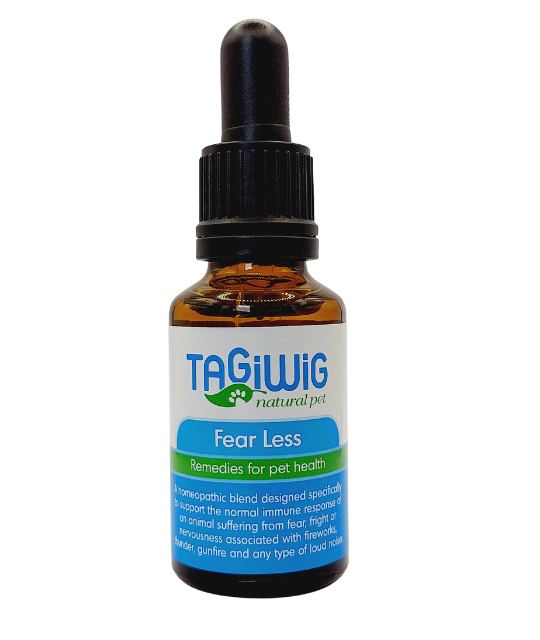
Fear Less
Homeopathic support for cats experiencing fear, anxiety and stress associated with fireworks, thunderstorms and other loud noises.
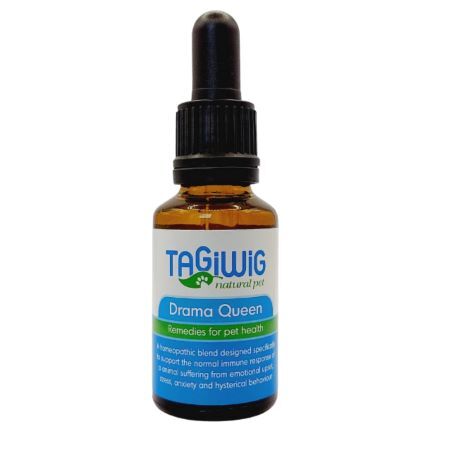
Drama Queen
Homeopathic support for sensitive, emotionally reactive and anxious cats.
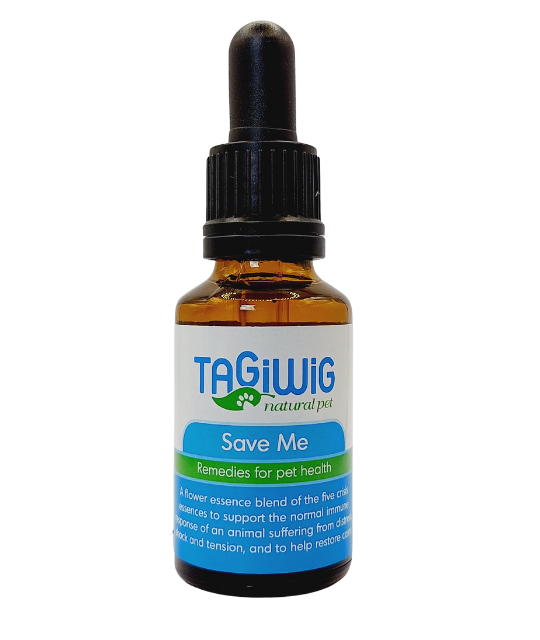
Save Me
Flower essence support for cats experiencing stress, emotional upset and environmental challenges.

Fur Tissue Mineral Analysis (FTMA)
Gain deeper insight into your cat's mineral balance, nutritional status and underlying health imbalances that may contribute to anxiety, nervousness, stress and emotional sensitivity.
Have questions?
If you have any other questions about your pet's fear of loud noises, don't hesitate to contact us for a free chat.
Need more personalised guidance on your animal's health and nutrition?
If your pet has ongoing health challenges or specific support needs, get personalised guidance on your animal's health and nutrition by booking a consultation.
Tags:
Cats





 Earn loyalty points everytime you shop